




Aluminum Composite Panels (ACP) on buildings
|
Contents |
[edit] Introduction
Aluminium Composite Panels are made by laminating an intermediate layer of non-aluminium core between the top and bottom layers of a thin aluminium panel. ACP panels can be further coated with Polyvinylidene fluoride (PVDF) or polyester paint. Total thickness of panels varies from 3 mm to 6 mm, including adhesive layers and glues.
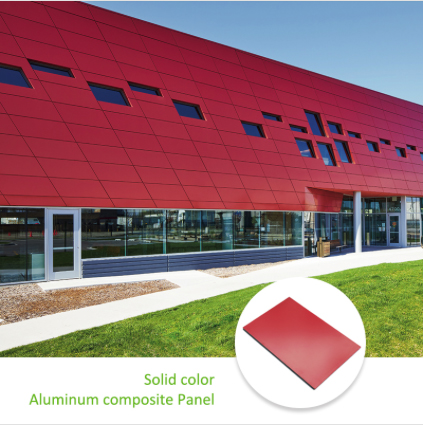
ACP panels are used on the interior and exterior of buildings, often with coloured finishes.
[edit] Features of ACP panels
Aluminium Composite Panels (ACP) offers a wider range of options for builders and architects:
- Durability: ACP laminate is weather resistant, stain resistant and highly durable. Even after exposure to sunlight and weather changes, the panels retain their colour, shape and size, making them ideal for all seasons. They are also soundproof, allowing sound to be deducted from the outside environment.
- Safe to use: Because aluminium is a very good insulator, ACP panels are fire resistant. They do not emit gases or fumes and are safe for internal cladding.
- Economical: Aluminium composite panels are one of the most cost effective and economical materials on the market. They are easy to use, durable and provide the perfect answer for commercial establishments. According to experts, ACP panels offer high quality thermal comfort and reduce energy consumption, thus reducing your electricity bill. They can be used in a variety of shapes and sizes, minimising waste.
- Hassle-free installation: ACP laminates are easy and undemanding to install and can create some extraordinary designs that may be difficult or impossible to recreate with other materials.
- Easy to maintain: ACP laminates require low and hassle-free maintenance and will retain their shape and texture for a long time. Dirt or dust particles can be removed from its surface by simply wiping with a cloth.
[edit] Advantages of using ACP sheet
Below are some of the main advantages:
- The panel has the qualities of light weight, durability, rigidity and strength.
- Another added benefit is its strength-to-weight ratio.
- ACP panels can be cut into various sizes to suit your requirements and the material is highly adaptable.
- The PVDF coating makes it fire and weather resistant, protecting the material from fading and staining.
- ACP panels have a perfectly uniform surface without any deflection or distortion and are resistant to breakage.
- These panels are easy to install and maintain, easy to recycle, and therefore environmentally friendly.
- Aluminium composite panels provide excellent thermal and acoustic insulation.
- They are also weather resistant and UV resistant.
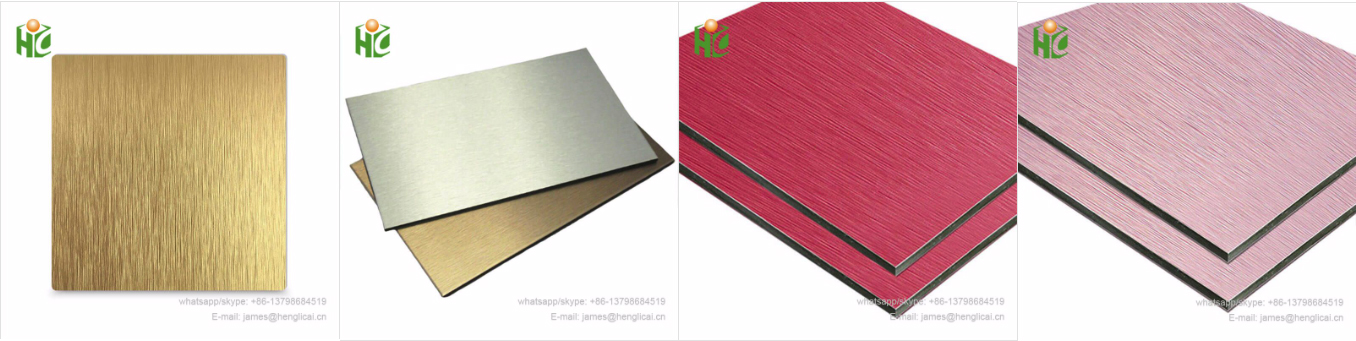
- These panels are available in a wide range of colours and finishes, from standard colours to high-gloss, matte and metallic finishes.
[edit] ACP Sheet Applications
ACP is an important part of the interior and exterior decoration of hotels, hospitals, subway stations and other buildings, were it can be uses as:
- Exterior and interior of buildings and corporate housing
- Cabinets, closets and modular kitchens
- False ceilings
- Wall panels
- Machine and equipment coverings
- Signs and signage
- Container construction
NB Click here for information about ACM cladding and the Grenfell Tower fire.
[edit] Related articles on Designing Buildings
- ACM cladding.
- Aluminium.
- Aluminium decking.
- Cast iron.
- Copper.
- Difference between cast iron and wrought iron.
- Failure of metals.
- Flashing.
- Galvanised steel.
- Iron.
- Lead.
- Lead in construction.
- Major cast metal components.
- Metal.
- Metal composite panels.
- Metal fabrication.
- Metal roofing.
- Potash.
- Stainless steel.
- Structural principles.
- Structural steelwork.
- Types of metal.
- Types of steel.
- Weathering steel.
- Zinc.
Featured articles
Check out some of the best features and news from Designing Buildings as well as key stories from around the web.

CIOB celebrates positive Ofsted report.

The Building Safety Regulator announces a call for evidence.

Government approach could undermine delivery and regeneration.
World's first mass timber data centre.

The overlooked environmental aspect of data centre development.
Introduction to radon awareness

New technical information sheet published by CIOB.

Updated supplier guide can help electrical contractors engage with NHP.

CIAT confirm the winners of the 2026 architectural technology awards.

Government launches a one stop shop for flood preparedness.

Sir Edwin Lutyens: Britain's greatest architect? Book review.

CIOB publishes free template to help assess and manage risks.
ECA's reflections on Party Conference season

Burnham wants to be confident of winning before asking for a fresh mandate.
New Chief Construction and Scientific Adviser

Sergio Cavalaro, Professor of Infrastructure Systems at Loughborough University.